Shifts in Virtual Card Game Participation Linked to Evolving National Betting Statutes
Elena Hughes · Aug 21, 2026
Shifts in Virtual Card Game Participation Linked to Evolving National Betting Statutes
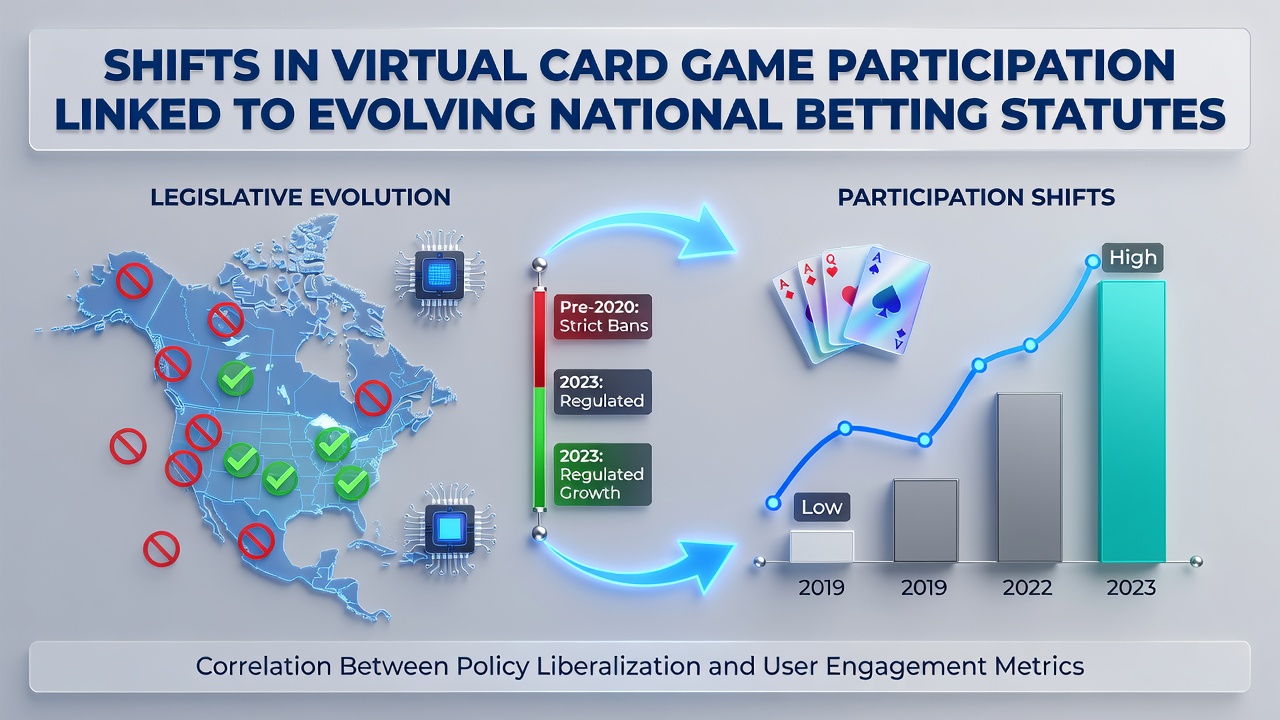
Data from regulatory filings across multiple continents shows measurable changes in user engagement with virtual card platforms as governments update licensing frameworks and tax policies, and observers tracking these patterns note that participation numbers often rise in jurisdictions where statutes expand legal access while they decline where restrictions tighten.
Regulatory Developments Across Regions
National legislatures in North America, Europe, and the Asia-Pacific have introduced or revised betting statutes throughout 2025 and into 2026, with several measures scheduled for full implementation by August 2026, and these changes directly alter operator requirements for player verification, deposit limits, and game offerings in virtual card environments, according to summaries compiled by the National Conference of State Legislatures.
States in the United States that passed expanded online gaming bills report corresponding increases in registered accounts on licensed platforms, while countries that imposed stricter advertising caps or higher tax rates on operators see slower growth or outright drops in active users, and researchers compiling cross-border statistics link these outcomes to the clarity and enforcement mechanisms embedded in each new statute.
Participation Trends and Data Patterns
Figures released by industry tracking services indicate that virtual card game sessions increased by double-digit percentages in markets where statutes moved from prohibition to regulated licensing within the past two years, whereas markets that added new player-age restrictions or reduced maximum bet sizes experienced measurable reductions in daily active users, and these correlations hold after adjustments for seasonal variations in overall digital entertainment consumption.
One longitudinal review covering six jurisdictions found that platforms operating under updated compliance rules experienced shifts in session length and frequency, with users in newly legalized areas logging more frequent but shorter sessions compared with pre-statute patterns, and analysts attribute the change to built-in responsible gaming tools that statutes now require operators to integrate.

Operator Adjustments and Market Responses
Licensed operators respond to statute revisions by modifying game libraries, bonus structures, and marketing channels to align with new requirements, and data indicates that these adjustments influence which player segments remain active on the platforms, with some segments migrating to unregulated alternatives when domestic options become more restrictive.
Reports from the Canadian Gaming Association document how provinces that harmonized their online gaming statutes with federal guidelines saw steadier participation curves, whereas provinces maintaining separate and sometimes conflicting rules experienced more volatile user numbers, and similar patterns appear in Australian state-level data where staggered rollout dates produced staggered shifts in virtual card engagement.
Cross-Border and Technological Factors
Users increasingly access virtual card environments through mobile applications, and statute updates that address geolocation verification or cross-border payment processing produce noticeable effects on participation rates, according to technical compliance reports submitted to regulatory bodies in multiple regions.
Platforms that invested early in adaptable compliance systems maintained higher retention when new rules took effect, while those requiring extensive retrofits saw temporary dips until updates were complete, and industry observers connect these operational timelines directly to the pace at which participation numbers stabilized after each statutory change.
Conclusion
Available statistics demonstrate clear linkages between the content and timing of national betting statutes and subsequent movements in virtual card game participation across licensed markets, and continued monitoring of regulatory calendars through August 2026 and beyond will provide additional data points for confirming these relationships in coming reporting cycles.